A Practical Guide to Building a More Sustainable Wardrobe
By Echos Scribes Team
June 10, 2026 • 9 min read
This article may contain affiliate links. If you purchase through them, we may earn a small commission at no extra cost to you. Learn more.
The fashion industry accounts for approximately 10% of global carbon emissions. That is more than international aviation and shipping combined. But consumer choices — particularly around longevity and circularity — can significantly reduce this impact.
Start Where You Are
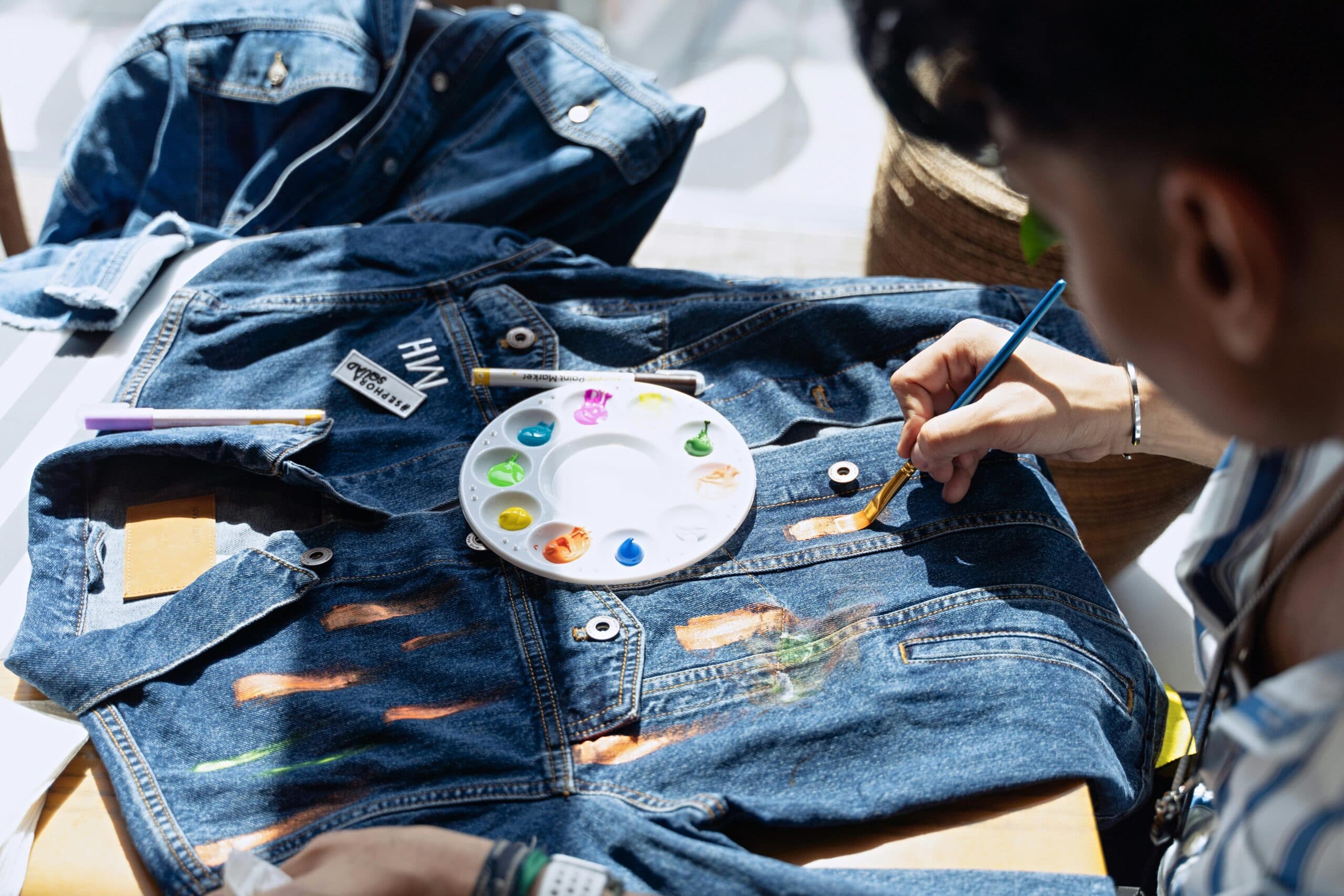
Sustainability begins not in shopping for new things, but in taking inventory of what you already own. Most people wear 20% of their wardrobe 80% of the time. Rediscovering neglected pieces, learning basic repairs, and styling existing items in new combinations reduces consumption before you buy a single new thing.
Understand Fabric Hierarchies
Not all "sustainable" fabrics are equal:
Tier 1 (Best): Organic cotton, linen, hemp, recycled wool, recycled cashmere
Tier 2 (Good): TENCEL™/Lyocell, Econyl (recycled nylon), conventional wool
Tier 3 (Acceptable): Conventional cotton, recycled polyester
Avoid: Virgin polyester, acrylic, conventional viscose/rayon (without eco-certification)
The Circularity Ladder
In descending order of environmental impact:
- Wear what you own longer — most sustainable option
- Repair and maintain — extend the life of what you have
- Buy secondhand — dramatically lower impact than new
- Rent for occasions — dresses, suits for one-time events
- Buy new, but buy well — invest in quality that lasts
"The most sustainable garment is the one you already own."
Certifications to Know
GOTS (Global Organic Textile Standard) — rigorous standard for organic fiber processing
Bluesign — certifies responsible chemical use in textile manufacturing
Fair Trade — ensures fair wages for garment workers
B Corp — company-level commitment to social and environmental performance
Brands Leading the Way
Several brands have built genuine sustainability commitments into their business models rather than using it as a marketing afterthought: Patagonia (Worn Wear repair program), Eileen Fisher (take-back and resale), and Nudie Jeans (lifetime repairs and organic denim).
The Cost Per Wear Calculation
A $200 shirt worn 100 times costs $2 per wear. A $30 shirt worn 10 times costs $3 per wear — more expensive and worse for the environment. Quality and sustainability are more aligned than opposed.
By Echos Scribes Team